


Dietary tips to manage Diabetes
Dietary tips to manage Diabetes
- Eat balanced diet & healthy food.
- Avoid Ultraproccessed Foods in your diets
- Limit sugar and sugary drinks.
- Choose whole grain.
- Include more fruits and vegetables.
- Drink plenty of water.
- Eat meals on time, limit salt & unhealthy food.
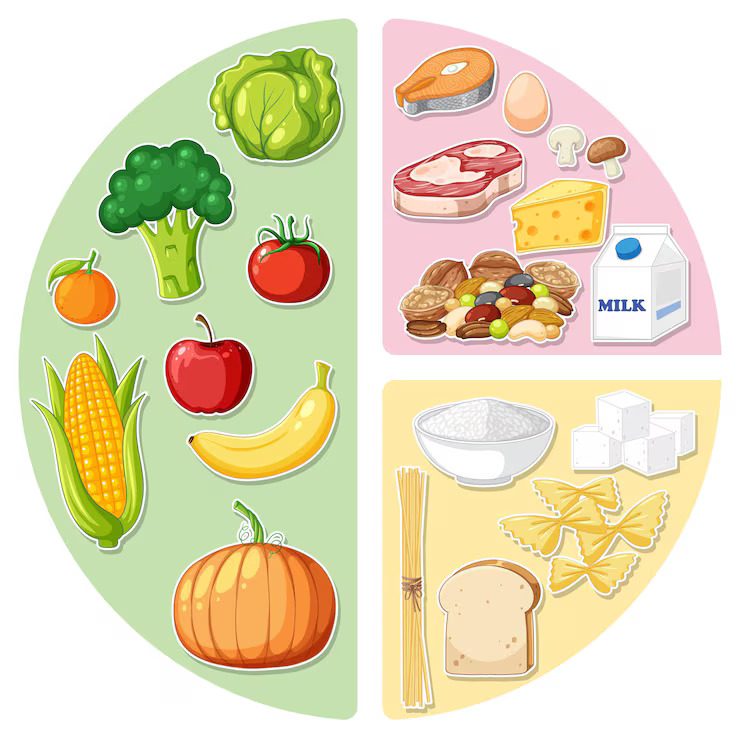
How one meal effect the next meal
How one meal effect the next meal?
If you eat a low GI meal (like dal, vegetables, whole grains), it not only keeps your blood sugar stable after that meal, but also helps keep your sugar lower at your next meal – even after 4 hours!
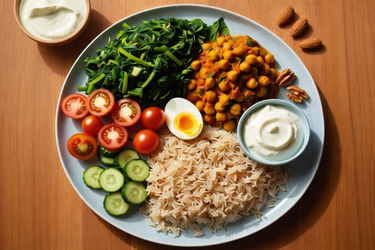
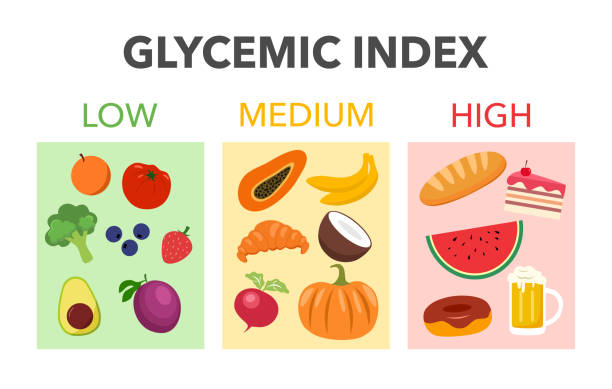
Glycemic Index of some of the commonly consumed food
Glycemic Index (GI) of some of the commonly consumed food items
| GI Category | GI Range | Common Food Examples |
|---|---|---|
| Low Glycemic Index (Low GI) | Less than or equal to 55 | Whole wheat chapati, oats, brown rice, barley, lentils (dal), chickpeas (chana), kidney beans (rajma), green peas, apples, oranges, pears, milk, plain yogurt, nuts |
| Medium Glycemic Index (Medium GI) | Between 56 and 69 | Basmati rice, poha, upma, dosa, honey, table sugar (sucrose), ripe banana, mango, pineapple, sweet corn |
| High Glycemic Index (High GI) | Greater than or equal to 70 | White bread, white rice, cornflakes, idli, boiled potatoes, mashed potatoes, watermelon, glucose, sugary breakfast cereals, crackers, puffed rice (murmura) |
Glycemic Index (GI)
Glycemic Index (GI) of some of the commonly consumed food items
- Low GI foods are digested slowly and help maintain stable blood glucose levels.
- Medium GI foods can be consumed in moderation and are best paired with protein or fiber.
- High GI foods are rapidly digested and can cause sharp spikes in blood glucose levels; therefore, they should be limited, especially by people with diabetes.
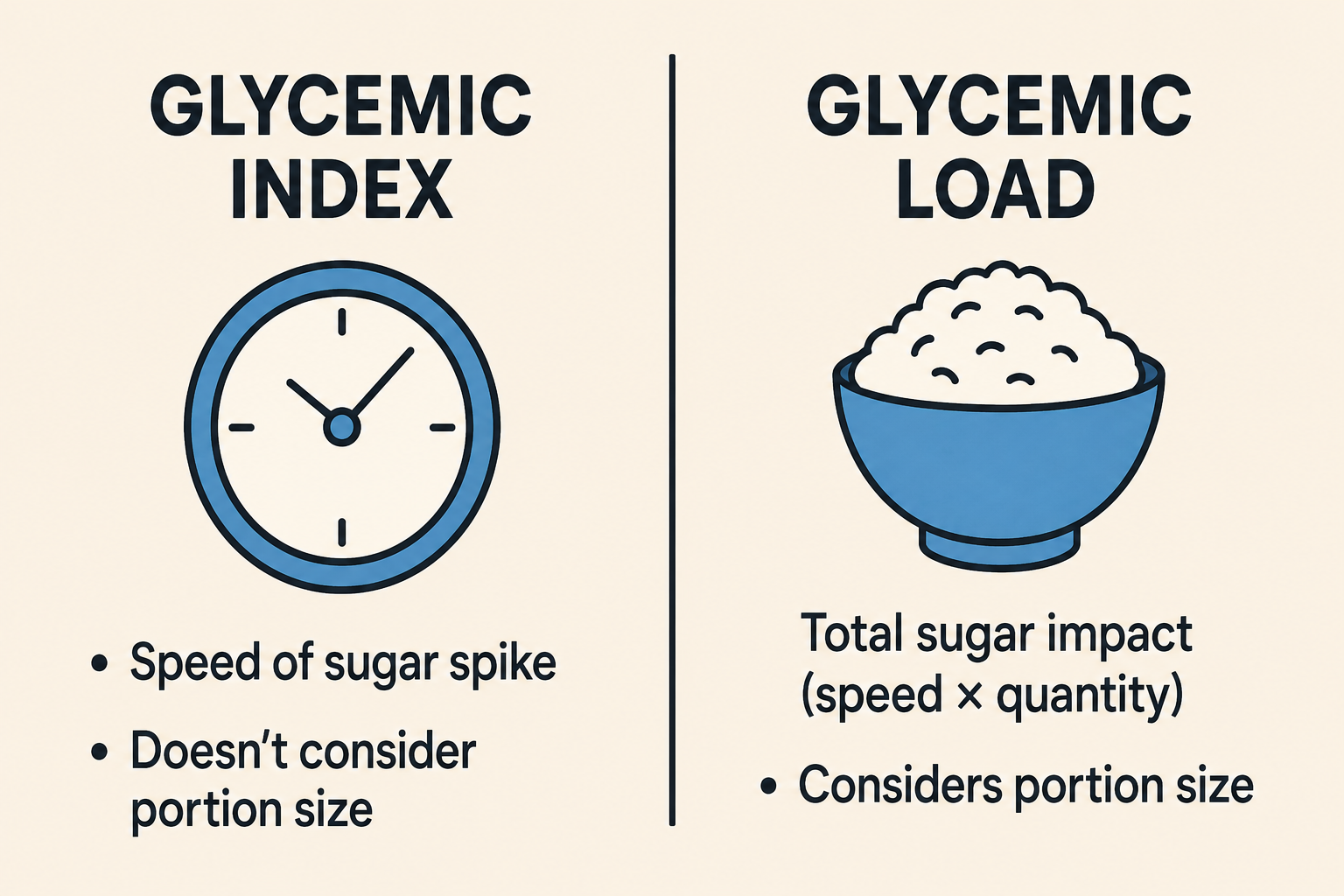
Glycemic Index vs Glycemic Load
Glycemic Index vs Glycemic Load
Quick Guide to Glycemic Index Values
- Low GI = 55 or less → Eat regularly
- Medium GI = 56–69 → Eat in moderation
- High GI = 70 or more → Eat rarely or in small amounts
Quick Guide to Glycemic Load Values
- Low GL = 10 or less → Eat regularly
- Medium GL = 11–19 → Eat in moderation
- High GL = 20 or more → Eat rarely or in small amounts
Quick Guide to Glycemic Index Values
- Low GI = 55 or less → Eat regularly
- Medium GI = 56–69 → Eat in moderation
- High GI = 70 or more → Eat rarely or in small amounts
Glycemic Index

- Speed of sugar spike
- Doesn’t consider portion size
Glycemic Load

- Total sugar impact (speed x quantity)
- Considers portion size
Quick Guide to Glycemic Load Values
- Low GL = 10 or less → Eat regularly
- Medium GL = 11–19 → Eat in moderation
- High GL = 20 or more → Eat rarely or in small amounts
Glycemic Load
Glycemic Load
Glycemic Load (GL) tells you how much that food will raise your blood sugar based on both:
- How fast the carbohydrate turns into sugar (GI), and
- How much carbohydrate the food contains in a normal serving.
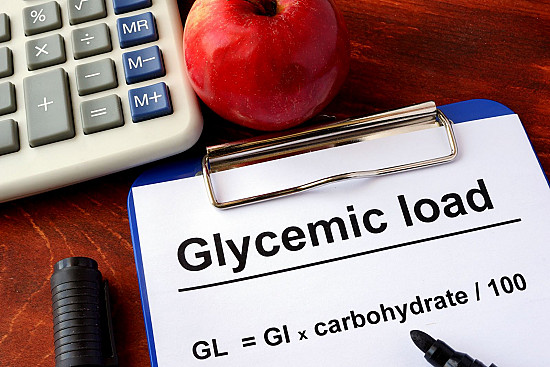
Source: Harvard health Publishing
How does food affect your blood Glucose
How does food affect your blood Glucose? Glycemic Index & Glycemic Load
Glycemic Index (GI) tells you how fast a particular carbohydrate-enriched food raises your blood sugar.
- It is indicated by the number (from 0 to 100) that shows how quickly a food raises your blood sugar after eating
- Foods are compared to pure glucose, which has a GI of 100.
- The higher the GI, the faster your blood sugar goes up.
- But it does not consider how much amount of food you have consumed.