

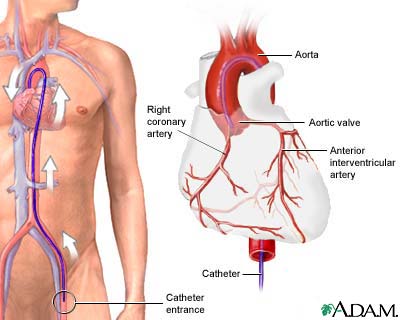
Tests for Cardiovascular Disease
Tests for Cardiovascular Disease
- Blood pressure- Measures the pressure of blood in your arteries.
- Blood Tests- check cholesterol, blood sugar and other markers related to heart health.
- Electrocardiogram- It’s a quick check the heartbeat. It records the electrical signal in the heart.
To check the heartbeat of a patient.

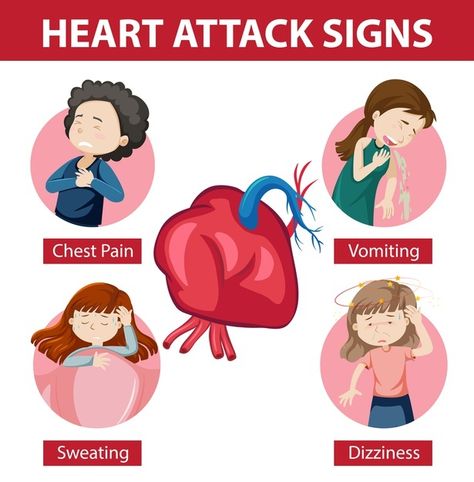
Signs of heart attack & stroke
Signs of heart attack & stroke
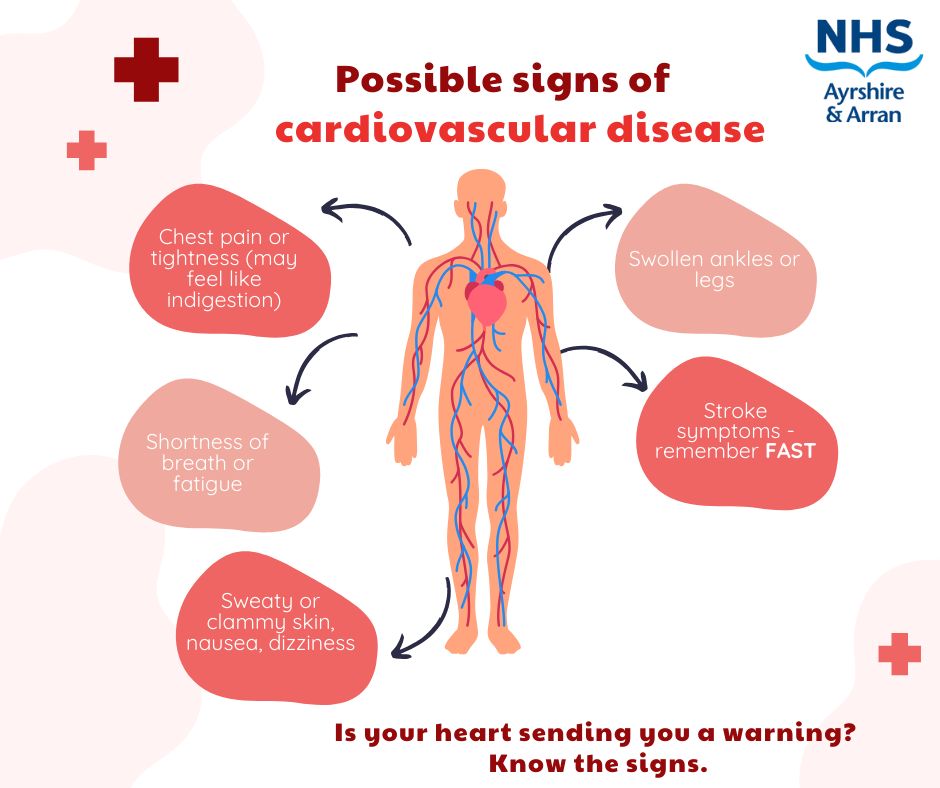
These are some of the major cardiovascular disease symptoms.
If the patient has undergone stroke, the cardiovascular symptoms could be different:
- Numbness over face or limbs, especially on one side
- Unable to walk or falling down
- Disorientation and altered consciousness
- Difficulty in speech
- Blurring of vision
- Severe headache
- Fainting spells
- Seizures etc. could be seen.
Signs of Heart Disease
Cardiovascular diseases are those heart or blood vessel disorders that occur due to malfunctioning. Coronary heart disease is a condition that affects the blood vessels that supply the heart muscle.
- Angina – pressure and tightness
- shortness of breath – especially during physical activity while resting.
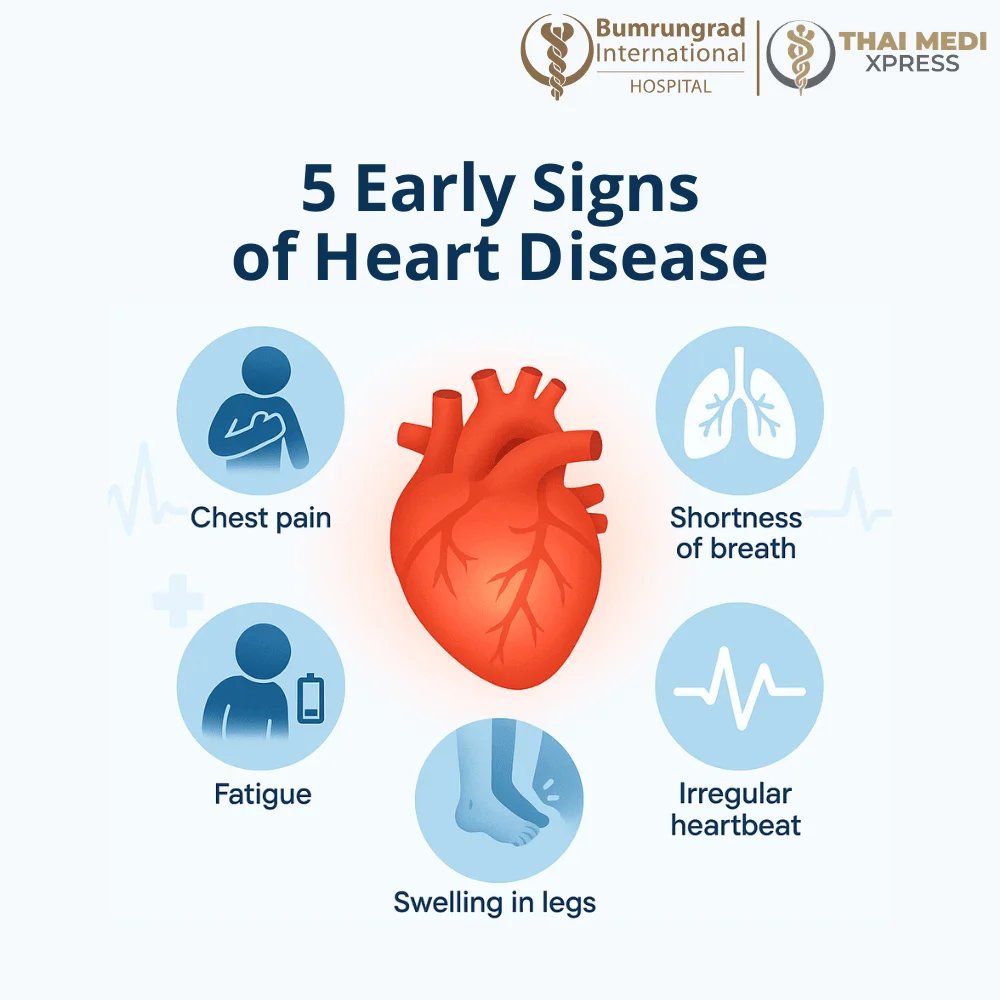
- palpitation – feeling that the heart is racing, pounding or skipping beats.
- fatigue and weakness – feeling unusually tired even with little activities symptom.
- cold sweats, nausea or pain spreading to the jaw, neck, back or arm which is a possible sign of a heart attack.
What are the cardiovascular disease symptoms?
What are the cardiovascular disease symptoms?
There are many cardiovascular disease symptoms. Different combinations of cardiovascular symptoms can be seen in different heart conditions based on the underlying issue. Some of these major cardiovascular disease symptoms include.
Risk Factors of CVDs
Risk Factors of CVDs
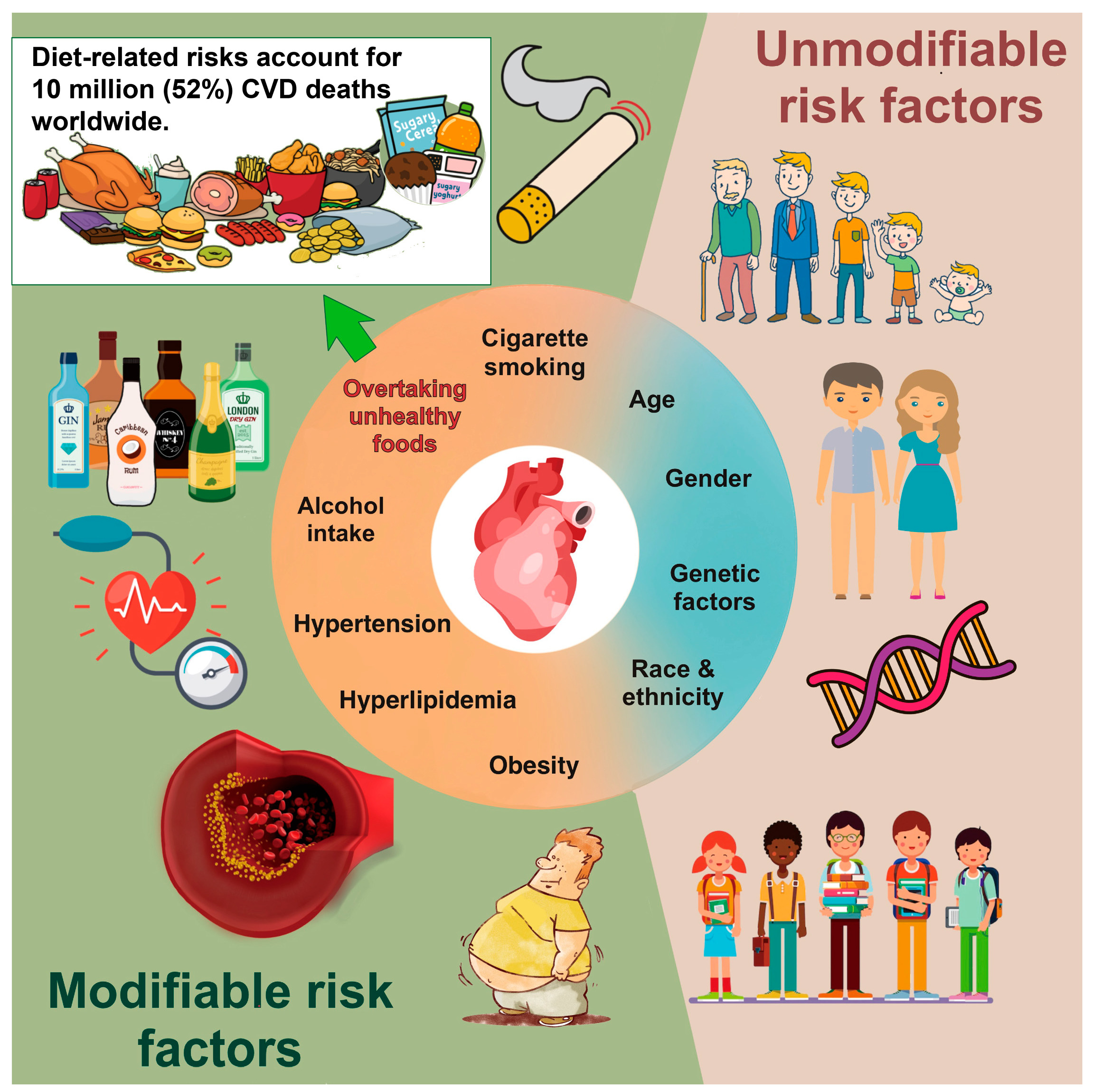
| Non-modifiable | Modifiable | Lifestyle | Social |
|---|---|---|---|
| Age | Blood Pressure | Smoking | Income |
| Gender | Total cholesterol | Diet | Social deprivation |
| Family history of CVD | HDL cholesterol | Exercise | Environment |
| Genetic Evidence | Smoking | Stress | Poverty |
| Previous history of CVD | Blood sugar/diabetes | ||
| BMI | |||
| Markers of chronic inflammation |
Risk Factors and Determinants of Cardiovascular Diseases (CVDs)
Risk Factors and Determinants of Cardiovascular Diseases (CVDs)
Major Behavioural Risk Factors:
The primary lifestyle-related risk factors contributing to heart disease and stroke include:
- Unhealthy diet (high salt, sugar, saturated and trans fats)
- Physical inactivity and sedentary lifestyle
- Tobacco consumption in all forms
- Harmful alcohol use
- Air pollution as a significant environmental contributor
Intermediate/Clinical Risk Factors:
Behavioural and environmental exposures often manifest clinically as:
- Raised blood pressure (Hypertension)
- Elevated blood glucose levels (Diabetes/Prediabetes)
- Raised blood lipids/cholesterol
- Overweight and obesity
Effects Of Cardiovascular Diseases (CVD)?
Effects Of Cardiovascular Diseases (CVD)?
It can damage heart and blood vessels and leading to Heart attack, stroke and heart failure and so on.
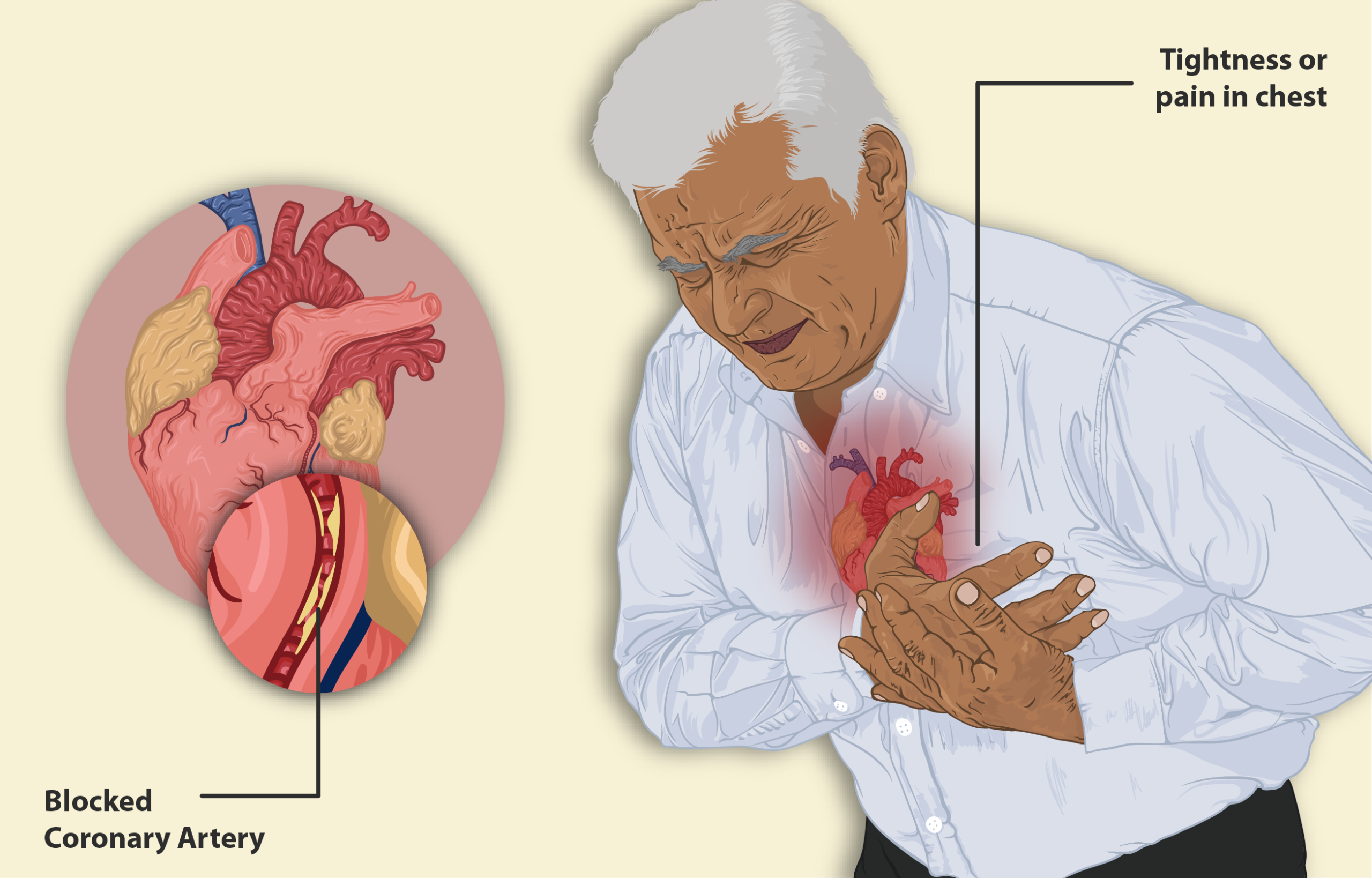
- chest pain(angina)- due to reduced blood flow to the heart.
- Heart attack- when blood supply to the heart is blocked.
- Heart failure when heart cannot pump blood effectively.
- stroke- when blood flow to the brain is interrupted.
- kidney damage- Due to reduced blood flow to the kidney.
Types of Cardiovascular diseases?
Types of Cardiovascular diseases?
It refers to disease that affects heart and blood vessels and can interfere with normal blood circulation throughout the body. It’s a group of disease:
- CAD
- Heart attack
- Stroke
- hypertension
What are Cardiovascular diseases?
What are Cardiovascular diseases?
Cardiovascular diseases are those heart or blood vessel disorders that occur due to malfunctioning. Coronary heart disease is a condition that affects the blood vessels that supply the heart muscle.
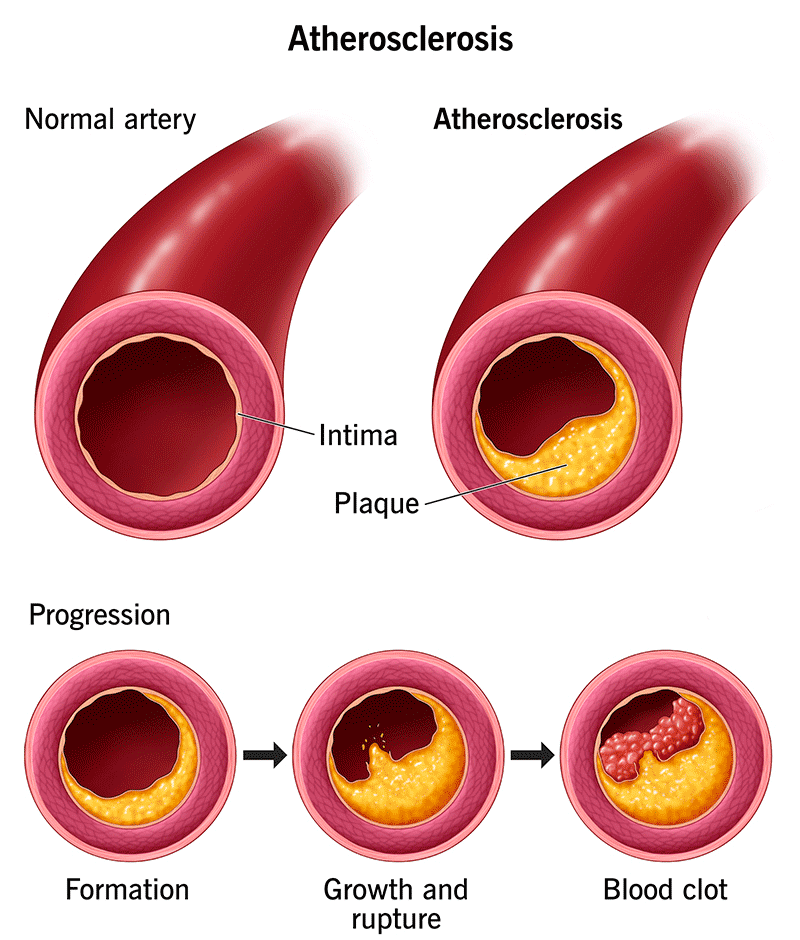
- Atherosclerosis – It’s a condition in which fat, cholesterol, calcium and the other substances build-up inside the wall of arteries , forming plaques. These plaque narrow and harden the arteries, reducing blood flow to the organ and tissue.
- Angina – Angina is chest pain or discomfort that occurs when the heart muscles does not receive enough oxygen rich blood.
- Cerebrovascular disease – this refers to a disease of the blood vessels that supply the brain.