

References
References
- StatPearls. Dyslipidemia. NCBI Bookshelf, updated 2024.
- Endotext. Guidelines for the Management of Dyslipidemia – highlights of the 2026 ACC/AHA guideline and the 2019 ESC/EAS guidelines for dyslipidaemias (with 2025 focused update). NCBI, updated May 2026.
- Nutrition and Lifestyle Interventions in Managing Dyslipidemia and Cardiometabolic Risk. 2025.
- MIMS Thailand. Dyslipidemia Patient Education – diet and lifestyle advice for lowering LDL and managing dyslipidemia.
- Patient-Centered Education in Dyslipidemia Management. 2023.
- Self-Management Program for Dyslipidemia: Impact on Health Behaviors to Modifiable Risk Factors and Compliance.
Regular cholesterol testing helps in monitoring dyslipidemia?
Explanation: Cholesterol test helps track lipid level and examine whether the test is working or not.
Taking prescribed cholesterol lowering medicine as directed as a part of self-monitoring?
Explanation: Monitoring medication adherence helps ensure effective management of dyslipidemia.
Let’s play a quiz to understand it more clearly!
Let’s play a quiz to understand it more clearly!
Patient Education and Support
Patient Education and Support
- Self‑management works best when patients understand their condition and feel involved in decisions.
- Group classes, nurse‑led counseling, or digital tools (apps, text reminders) can improve diet, exercise, and medication adherence.
- Family support at home (shared healthy meals, walking partners) makes lifestyle changes more sustainable.

When to Seek Help
When to Seek Help
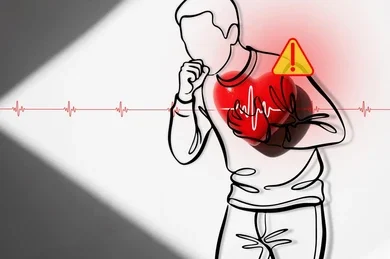
- Sudden chest pain, shortness of breath, jaw/arm pain, or sweating may signal a heart attack; get emergency care immediately.
- Sudden weakness, difficulty speaking, or facial droop can indicate stroke and also need urgent treatment.
- Severe muscle pain, dark urine, or marked fatigue while on statins should be discussed promptly with your doctor.
Medication Adherence and Self‑Checking
Medication Adherence and Self‑Checking
- Many patients with dyslipidemia need statins or other lipid‑lowering drugs along with lifestyle changes.
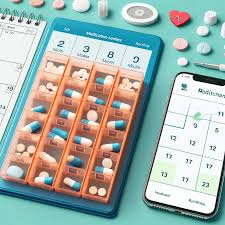
- Use a pillbox, mobile reminders, or calendar markings to check if you took your dose each day.
- Watch for common side‑effects (e.g., muscle aches, digestive upset) and report them instead of stopping medicines on your own.
Lifestyle Self‑Monitoring: Physical Activity
Lifestyle Self‑Monitoring: Physical Activity
- Target at least 150 minutes per week of moderate aerobic activity (like brisk walking) plus muscle‑strengthening on 2 or more days.
- Use a step counter or phone app to track daily steps; gradually increase towards your goal.
- Note your energy level, breathlessness, and any chest pain; stop and seek help if unusual symptoms appear.

Lifestyle Self‑Monitoring: Diet
Lifestyle Self‑Monitoring: Diet
- Aim for a heart‑healthy pattern like Mediterranean, DASH, or similar: more fruits, vegetables, whole grains, pulses, and healthy oils.
- Limit saturated and trans fats, deep‑fried foods, high‑sugar snacks, and sugary drinks to lower LDL and triglycerides.
- Keep a simple food diary or phone photo log to honestly track what and how much you eat.

Lab Monitoring
Lab Monitoring
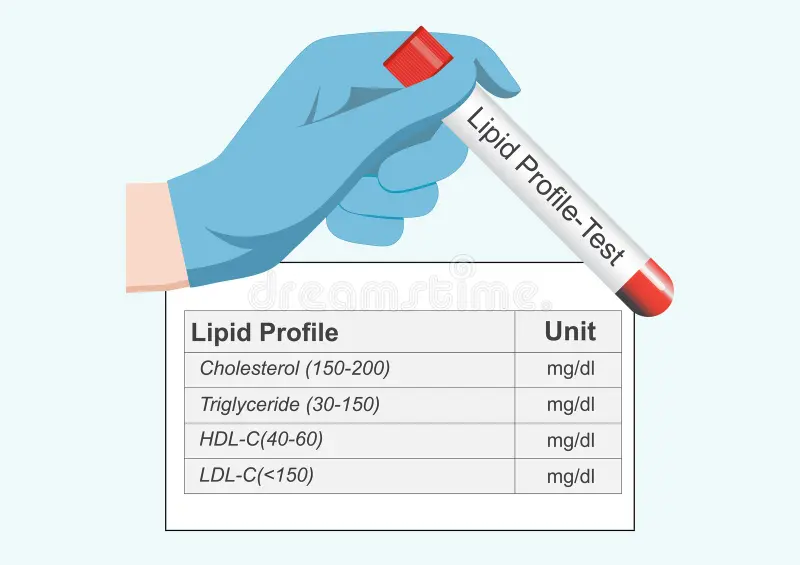
- Lipid profile includes total cholesterol, LDL‑C, HDL‑C, and triglycerides.
- After starting or changing therapy, lipids are usually rechecked in about 4–12 weeks, then every 3–12 months depending on risk and control.
- Always follow the testing schedule suggested by your clinician, as high‑risk patients may need more frequent checks.