


What Should I Monitor at Home?
What Should I Monitor at Home?
- Lifestyle diary: daily record of meals, physical activity, smoking/alcohol, and sleep.
- Weight and waist circumference: track weekly to see trends; even 5–10% weight loss can improve lipids.
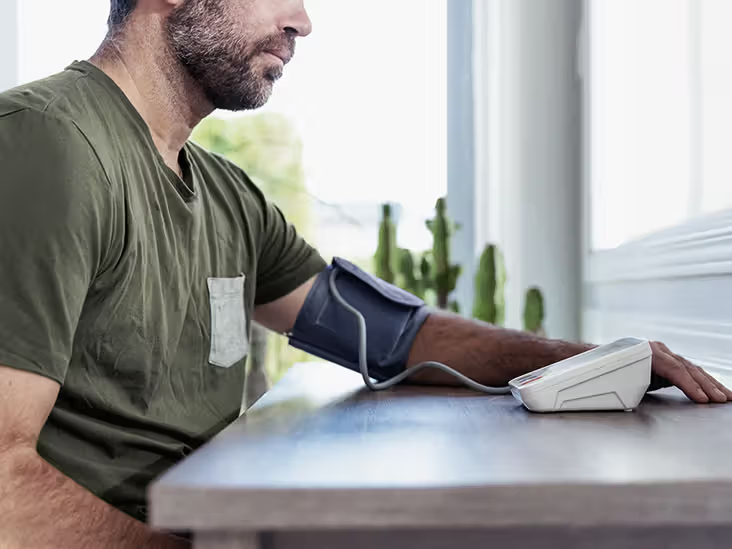
- Blood pressure: monitor if you have hypertension or high cardiovascular risk.
- Medication use: note time taken, missed doses, and any side‑effects.
Why Self‑Monitoring Matters
Why Self‑Monitoring Matters
- Lipid problems usually have no symptoms until serious events like heart attack or stroke occur.
- Regular checks of lipids, weight, blood pressure, and lifestyle habits let you and your doctor adjust treatment early.

- Patient‑centered education and self‑monitoring improve adherence to diet, medicines, and follow‑up visits.
What Is Dyslipidemia?
What Is Dyslipidemia?
- It is a condition where blood cholesterol or triglyceride levels are too high, too low, or imbalanced.
- Common patterns: high LDL (“bad” cholesterol), low HDL (“good” cholesterol), and high triglycerides.
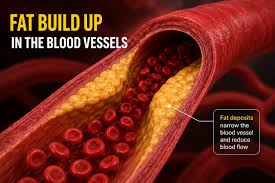
- These changes quietly damage arteries over time and increase risk of atherosclerotic cardiovascular disease (ASCVD).
Thank You
Thank You
References
References
-
American Heart Association. (2024). Exercise and physical activity.
https://www.heart.org -
Centers for Disease Control and Prevention. (2025). Adding physical activity as an adult.
https://www.cdc.gov -
Centers for Disease Control and Prevention. (2023). Adult activity: An overview.
https://www.cdc.gov -
National Heart, Lung, and Blood Institute. (2024). High blood cholesterol.
https://www.nhlbi.nih.gov -
World Health Organization. (2025). Physical activity.
https://www.who.int -
World Health Organization. (2025). Cardiovascular diseases (CVDs).
https://www.who.int -
Grundy, S. M., Stone, N. J., Bailey, A. L., et al. (2019). 2018 AHA/ACC guideline on the management of blood cholesterol. Circulation, 139(25), e1082–e1143.
https://doi.org/10.1161/CIR.0000000000000625 -
Mach, F., Baigent, C., Catapano, A. L., et al. (2020). 2019 ESC/EAS guidelines for the management of dyslipidaemias. European Heart Journal, 41(1), 111–188.
https://doi.org/10.1093/eurheartj/ehz455
Being physically active can also reduce the cholesterol level?
Explanation: Yes, maintaining a healthy lifestyle can also help in maintaining the lipid profile of body.
Explanation: Wrong, because maintaining a healthy lifestyle can help in building a healthy body.
Taking the stairs instead of lift can also count in a physical activity?
Explanation: Yes, maintaining a healthy lifestyle can also help in maintaining the lipid profile of body.
Explanation: wrong, because maintaining a healthy lifestyle can help in building a healthy body.
Let’s play a quiz to understand it more clearly!
Let’s play a quiz to understand it more clearly!
Safety Considerations
Safety Considerations
Before Starting an Exercise Program
- Consult a healthcare professional if cardiovascular disease is present.
- Begin gradually, especially for sedentary individuals.
- Monitor symptoms such as:
- Chest pain
- Dizziness
- Excessive shortness of breath
- Stay hydrated.
- Wear appropriate footwear and clothing.

Special Consideration
Patients with severe dyslipidemia often benefit from a supervised exercise plan.
Age Group
Weekly Exercise Plan Example
| Age Group | Exercise |
|---|---|
| 18-65 years old, Free Movement | Yoga Asana (10 minutes), Resistance Training/Intense Aerobic/High Intensity Interval Training (HIIT)-10 minutes, Moderate-Intensity exercise (40 minutes), Pranayama (5 minutes) |
| 18-65 years old, Restricted Movement | Yoga Asana (10 minutes), minutes, Moderate-Intensity exercise (30 minutes), Pranayama (5 Minutes) |
| 65+ Years old, Free Movement | Yoga Asana-15 minutes, Moderate-Intensity exercise (20 minutes), Pranayama (5 minutes) |
| 65+ years old, Restricted Movement | Yoga Asana-20 minutes, Moderate-Intensity exercise (15 minutes), Pranayama (5 minutes) |