


Diabetes Risk Factors
Diabetes Risk Factors
Factors that cannot be modified are:
- Age – Risk increases with growing age, especially after 45 years.
- Family history – Having parents or siblings with Diabetes increases risk.
- Diabetes during pregnancy – Women who had high blood glucose values during pregnancy may have a higher chance of developing diabetes later in life.
Quiz
Let’s play a quiz to understand it more clearly!
Key aspects of diabetes self-management
Key aspects of diabetes self-management
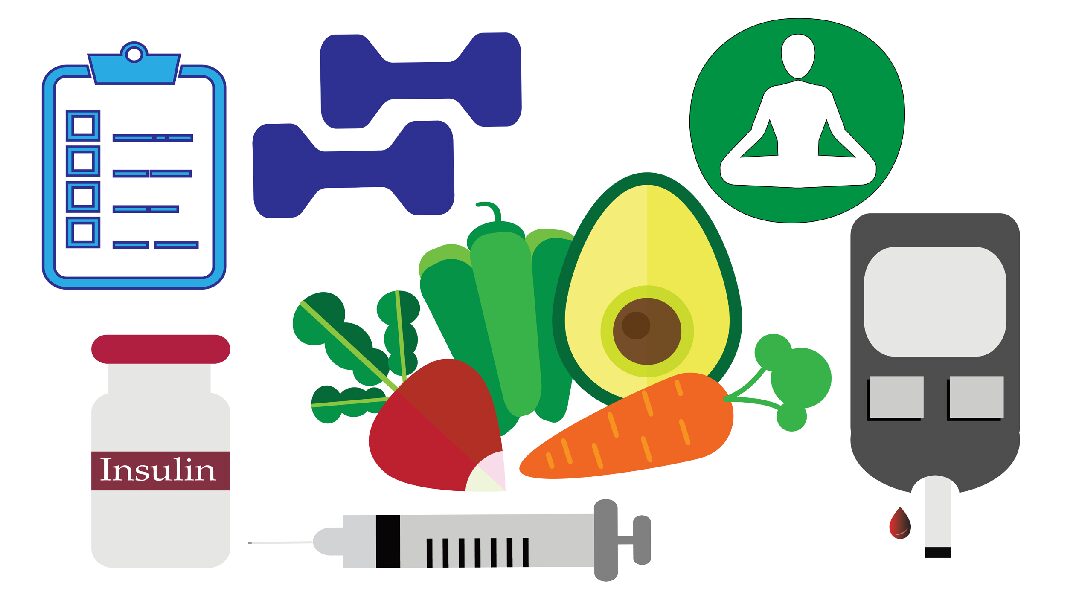
You can do some changes in your lifestyle:
- You can change your diet and food habits.
- Take medicines regularly
- Take proper sleep of at least 7 hour in the night.
- Avoid alcohol intake and quit smoking.
- You can engage yourself in 30-40 minutes of yoga practice or light exercises.
You can learn more about management techniques in the other self-management modules
Types of Diabetes
Types of Diabetes
Type – 1
- Its an autoimmune condition (the body attacks itself by mistake)
- Body does not make insulin
- Starts at young age
- Needs insulin injections daily
- Cannot be prevented
Type – 2
- Develops when body does not use insulin properly
- Linked with lifestyle
- Can be managed with food, exercise, and medicines
- It has stronger hereditary reasons, Which means, it runs in family
Why is Self-Management Important in Diabetes
Why is Self-Management Important in Diabetes?
- Prevents complications: Prevents blindness, kidney disease, amputations.
- Better blood glucose control: Helps maintain blood glucose levels within the target range
- Better quality of life: More energy, fewer hospital visits.
- Lower medical costs: Reduces treatment expenses significantly.
- Longer lifespan: Proper management can add 10+ years to life.
- Empowerment: Empowers individuals to make informed health decisions.

What is Diabetes Self-Management
What is Diabetes Self-Management?
According to the American Diabetes Association (ADA), diabetes self-management refers to the daily activities and behaviors that individuals undertake to successfully manage diabetes, including healthy eating, physical activity, medication adherence, blood glucose monitoring, problem-solving, healthy coping, and risk reduction.
If left unmanaged, the condition may damage the kidneys, nerves, heart and blood vessels.
How Diabetes Develops?
How Diabetes Develops?
Diabetes develops when:
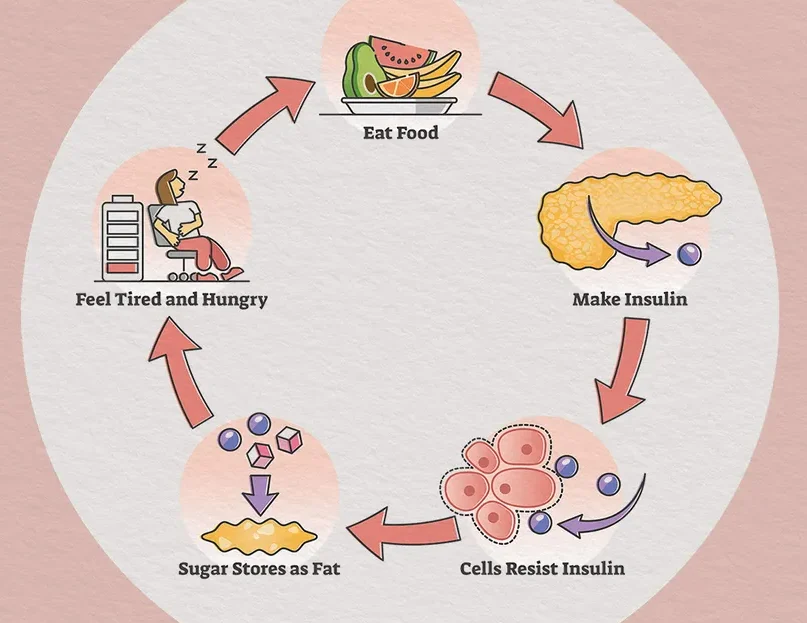
- The insulin is not produced in enough quantity.
- Our body cannot effectively use the insulin it produces. This is also called as insulin resistance.
OR
How Diabetes Develops?
How Diabetes Develops?
Before we understand how diabetes develop, let us understand how the body balances sugar in normal conditions.
We eat food
Food will change into glucose (sugar) in our blood
Pancreas (an organ near the stomach) makes insulin, which is a helper chemical
Now insulin will act like a key, and open the door of the cells in the body
Glucose will now enter the muscle and body cells and give energy
What is Diabetes?
What is Diabetes?
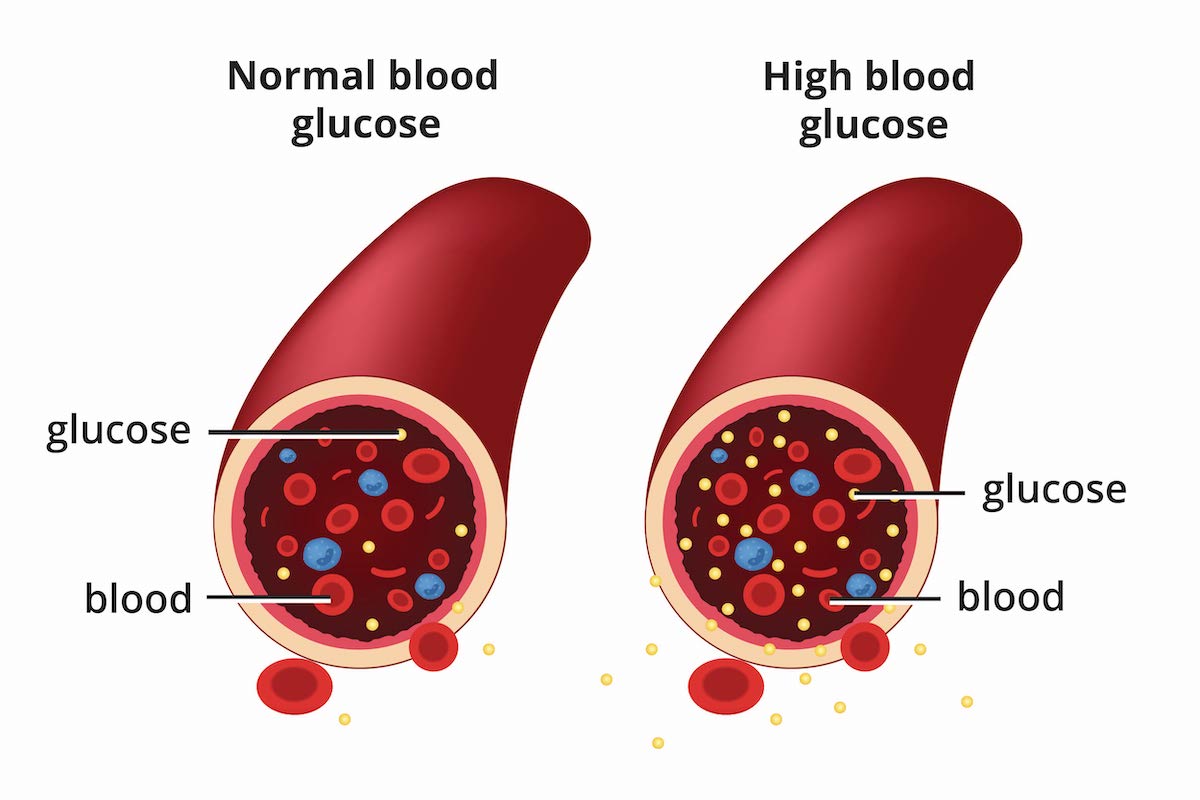
When a body does not use or produce insulin properly, blood sugar levels rise, and, the individual may be diagnosed as diabetic.
If left unmanaged, the condition may damage the kidneys, nerves, heart and blood vessels.
National Institute of Diabetes and Digestive and Kidney Diseases. (2023).