


Alcohol Consumption
Alcohol Consumption
- You may have heard that a less amount of alcohol could be good for cardiovascular diseases and diabetes mellitus. However, according to recent health guidelines, the risks of CANCER from drinking alcohol are greater than any possible health benefits.
- It doesn’t matter how much you drink – the risk to the drinker’s health starts from the first drop of any alcoholic beverage.
There’s no safe level of alcohol when it comes to cancer risk.
Thank You
Thank You
References
References
- World Health Organization (2021). Global report on diabetes. WHO.
- American Diabetes Association (2024). Standards of Care in Diabetes. Diabetes Care, 47(S1).
- International Diabetes Federation (2023). IDF Diabetes Atlas (11th ed.). Brussels: IDF.
- RSSDI Clinical Practice Recommendations (2022). Management of Type 2 Diabetes Mellitus. Indian Journal of Diabetes, 42(S1).
- Indian Council of Medical Research (ICMR) Guidelines for Management of Type 2 Diabetes.
- Rani, P. K., Williams, J. D., Jaswal, N., Yandluri, V., Sangani, P., Sanagavarapu, K., Natarajan, R., Ramalingam, S., Saligram, N., & Khanna, R. C. (2025). Effectiveness of mDiabetes intervention in enhancing diabetes awareness and promoting healthy lifestyle changes among the general population in rural India. Frontiers in Public Health, 12, 1470615. https://doi.org/10.3389/fpubh.2024.1470615
- Beck, J., Greenwood, D. A., Blanton, L., Bollinger, S. T., Butcher, M. K., Condon, J. E., Cypress, M., Faulkner, P., Fischl, A. H., Francis, T., Kolb, L. E., Lavin-Tompkins, J. M., MacLeod, J., Maryniuk, M., Mensing, C., Orzeck, E. A., Pope, D. D., Pulizzi, J. L., Reed, A. A., Rhinehart, A. S., Siminerio, L., & Wang, J. (2022). 2022 national standards for diabetes self-management education and support. Diabetes Care, 45(2), 484–494. https://doi.org/10.2337/dc21-2396
- and, D. (2023). What Is Diabetes? National Institute of Diabetes and Digestive and Kidney Diseases; NIDDK – National Institute of Diabetes and Digestive and Kidney Diseases.
- https://www.niddk.nih.gov/health-information/diabetes/overview/what-is-diabetes
- Borhade, M. B., Kanica Yashi, & Singh, S. (2025, February 26). Diabetes and Exercise.
- Nih.gov; StatPearls Publishing. https://www.ncbi.nlm.nih.gov/books/NBK526095/
- National Institute of Nutrition. (2011). DIETARY GUIDELINES FOR INDIANS -A Manual.
- https://www.nin.res.in/downloads/DietaryGuidelinesforNINwebsite.pdf
- Overview. (2025). Who.int. https://www.who.int/teams/mental-health-and-substance-use
- World. (2024, November 14). Diabetes. Who.int; World Health Organization: WHO. https://www.who.int/news-room/fact-sheets/detail/diabetes
Understanding Blood Glucose Levels
Understanding Blood Glucose Levels
| Status | Fasting (mg/dL) | After Eating(mg/dL)/Random Blood Sugar | 2-3 Hours After Eating(mg/dL) | HbA1c (%) *average blood sugar level over the past 2-3 months) |
|---|---|---|---|---|
| Normal | Less than 100 | – | Less than 140 in Oral Glucose Tolerance Test | Less than 5.7 |
| Impaired Glucose | 100-125 | – | 140-199 | 5.7-6.4 |
| Diabetes | More than or equal to 126 | More than or equal to 200 (with symptoms of diabetes) | More than or equal 200 in Oral Glucose Tolerance Test | More than or equal to 6.5 |
Who is responsible for diabetes self-management
Explanation: No! Doctors provide advice and treatment, but cannot manage daily habits for the person.
Explanation: Yes! Healthcare providers guide treatment, but daily management decisions are made by the person with diabetes.
Explanation: No! Family support helps, but the individual’s involvement is essential.
Which is an example of diabetes self-management
Explanation: Yes! Self-management includes monitoring health, taking medicines as prescribed, and making daily decisions to keep diabetes under control.
Explanation: No! Ignoring symptoms can allow problems to worsen.
Explanation: No! Stopping medicines without consulting a healthcare provider can affect blood sugar control.
Treatment Options to Manage Diabetes
Treatment Options to Manage Diabetes
Medical treatment
- Tablets
- Insulin injections
- Medicine to lower blood sugar level via urine.
Non-Medical treatment
- Replacing sugar with other healthy options
- Healthy diet
- Physical activity
- Stress control
- Lifestyle changes
What does self-management mean for a person with diabetes
Explanation: Yes! Self-management means a person takes an active role in caring for their health through regular monitoring, following treatment advice, making healthy choices, and recognizing changes in their condition
Explanation: No! Waiting until symptoms become severe may delay care and increase the risk of complications.
Explanation: No! Family support is helpful, but the person with diabetes also plays an important role in managing their own health.
Diabetes Signs and Symptoms
Diabetes Signs and Symptoms
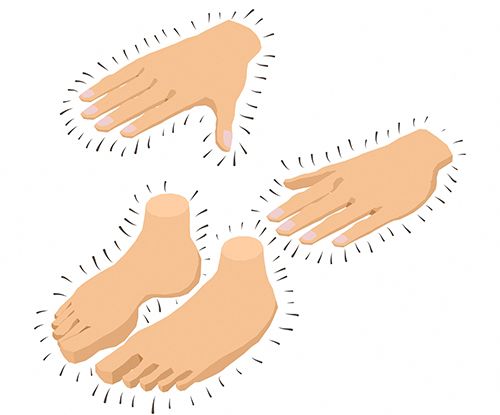
Tingling in hands/feet

Weight loss
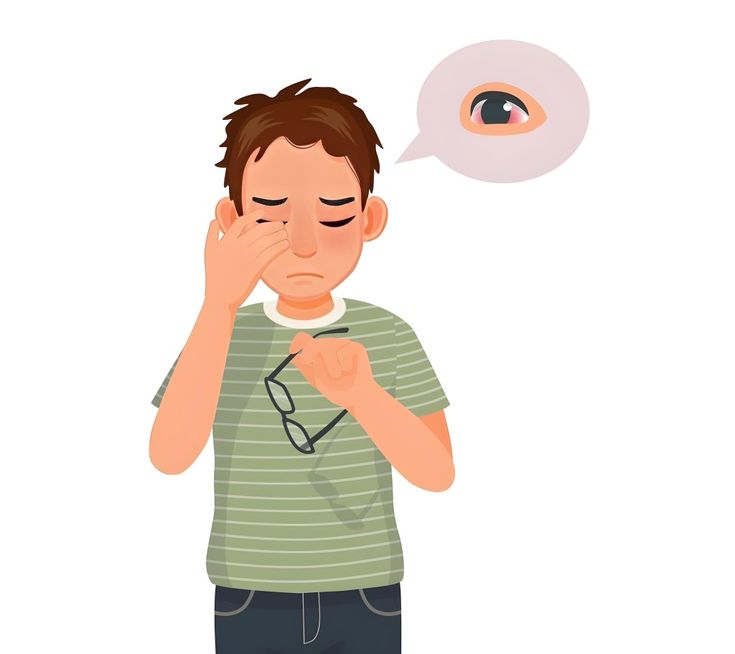
Blurry vision
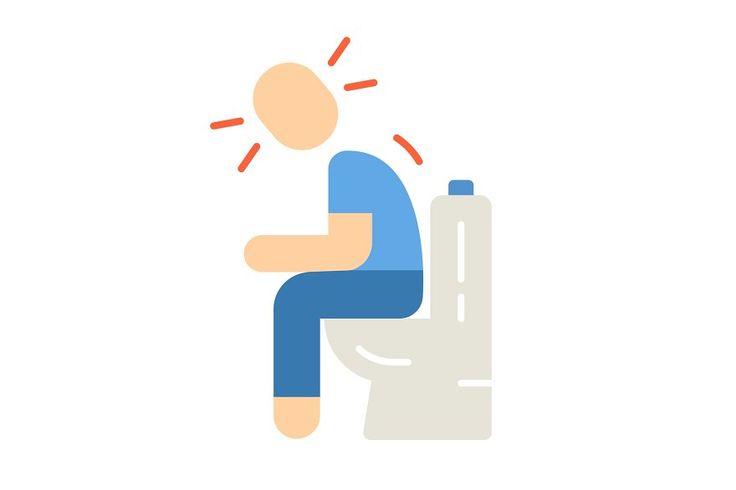
Frequent urination

Dizziness
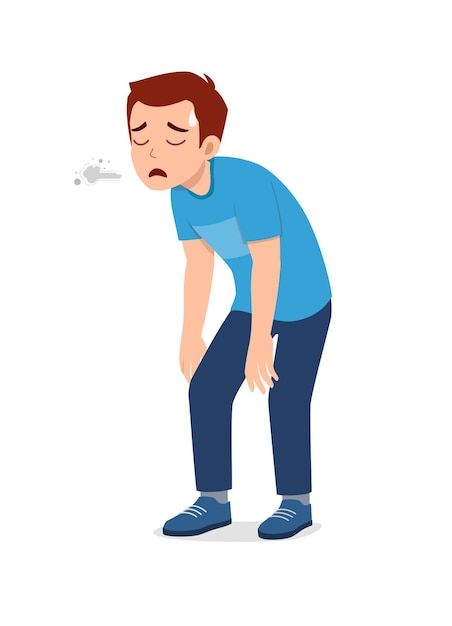
Fatigue
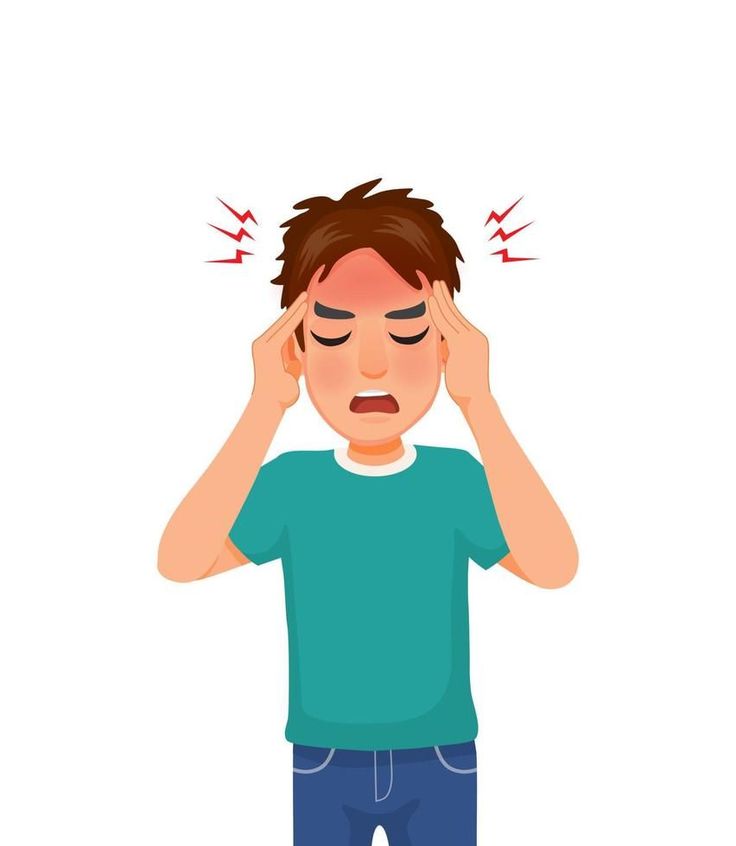
Headache
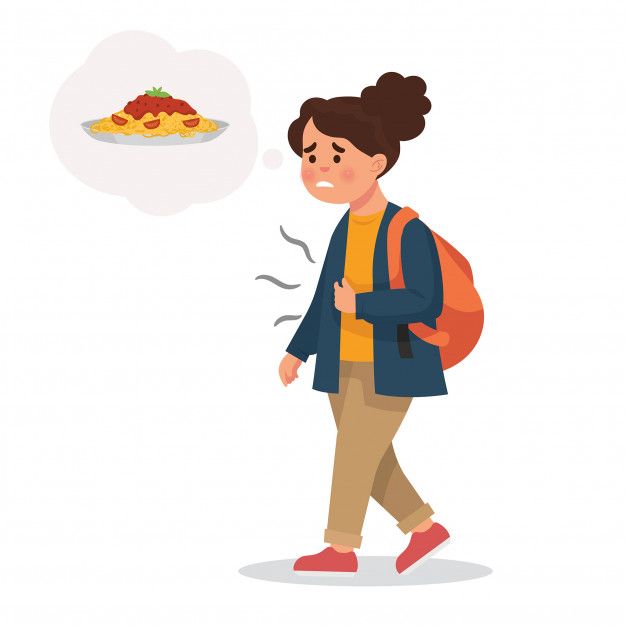
Excessive hunger

Excessive thirst
Diabetes Risk Factors
Diabetes Risk Factors
Factors that can be modified are:
- Extra weight – Extra body weight, especially around the stomach, can make it difficult for insulin to work properly.
- Physical Inactivity – Not walking or exercising regularly can increase blood glucose levels.
- Unhealthy Diet – Excess of sugar intake, unhealthy packaged food increases the risk of Diabetes.
- Smoking & alcohol use – Smoking and too much alcohol can harm the body and increase the chance of diabetes-related problems.
- Stress & hypertension – Stress and high blood pressure that for longer duration are linked with higher risk of diabetes.